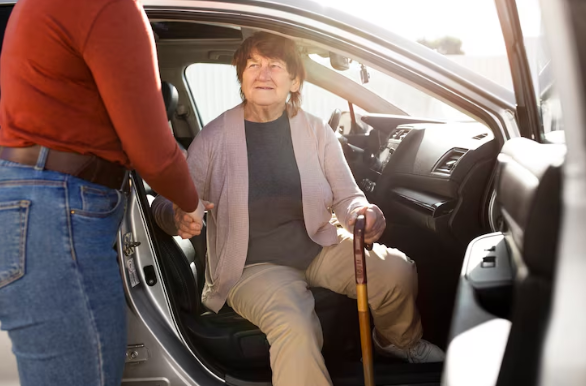
Elderly Care Transportation, How Can Rides Support Daily Independence?
As individuals age, maintaining independence becomes increasingly intertwined with accessible transportation. Seniors often face an array of challenges, from diminished driving abilities to mobility issues, making it essential for them to explore reliable ways to get around. Around the globe, transportation services tailored for older adults are emerging, allowing them to engage with their communities, access healthcare, and continue pursuing hobbies, thus enriching their lives. Understanding these transportation options not only facilitates a sense of freedom but also combats feelings of isolation that can accompany aging. So, how can proper transportation support the independence of seniors? Let’s delve into the various options available and how they can positively impact daily living.
The Importance of Independent Mobility for Seniors
Independent mobility is critical for maintaining a satisfying quality of life as one ages. It essentially affects access to health services, as well as social connections and community involvement. Being able to reach essential services like grocery stores and medical appointments allows seniors to manage their health and household efficiently. Consider the profound effects reliable transportation can have; it opens up opportunities to stay active and socially engaged, thereby enhancing emotional well-being.
Moreover, the ability to travel independently can dramatically reduce feelings of isolation. As studies show, social connections contribute significantly to mental and emotional health in older adults. When transportation access is limited, seniors may experience feelings of loneliness and reduced physical activity, which can have negative repercussions on their well-being. Hence, addressing transportation needs becomes a crucial aspect of preserving autonomy.
Evaluating Transportation Needs and Options
Recognizing your current transportation capabilities and requirements is the first step in exploring suitable solutions. Assess factors such as daily routines, comfort levels, and any changes in physical or cognitive abilities. If driving is still an option, evaluating driving skills regularly is essential:
- Do you feel comfortable driving at night or in challenging weather conditions?
- Are you struggling to read road signs quickly?
- Have your loved ones expressed concerns about your driving abilities?
Even if you still drive, having a backup transportation plan can offer peace of mind should unforeseen circumstances arise. Involving family members in discussions about transportation solutions can lead to collaborative problem-solving.
Public Transportation: A Viable Option
Public transit systems, encompassing buses, subways, and light rail, often serve as a reliable and cost-effective transportation option for seniors. Many urban and suburban areas feature extensive networks, making it easier for older adults to get around. Noteworthy is how modern public transit has prioritized accessibility; buses typically come equipped with ramps and special seats designated for those requiring assistance. Familiarizing oneself with these features can improve comfort and safety during transit.
Furthermore, most public transit agencies extend discounts to seniors, making this option even more appealing. Advanced technologies, including trip planning apps, simplify navigating public transport for those concerned about getting lost. As you explore this avenue, remember also to keep essentials like identification and senior passes handy to streamline the boarding process.
Senior-Specific Transportation Programs
Across various communities, specialized transportation services designed for seniors fill in gaps where public transit may fall short. Programs like paratransit services, accessible through Medicaid and other assistive agencies, provide dedicated on-demand services to those unable to utilize conventional public transport. These rides are typically door-to-door, ensuring a convenient journey for the user.
| Type of Service | Description | Accessibility Features |
|---|---|---|
| Paratransit Services | Door-to-door transportation for seniors with mobility limitations | Lift-equipped vehicles, reserved seating |
| Volunteer Driver Programs | Community members provide rides to seniors for errands and appointments | Personalized service with no additional charges |
| Senior Center Shuttles | Scheduled trips catered to local seniors for social and recreational activities | Accessible routes and friendly drivers |
Local senior centers often provide invaluable resources for connecting older adults with these specialized programs. Engaging with organizations that focus on senior care not only bolsters community ties but also enhances accessibility to much-needed transportation solutions.